Cake Orders: Design Approval and One-Off Occasion Reminders
By BotMarketing.pro published updated
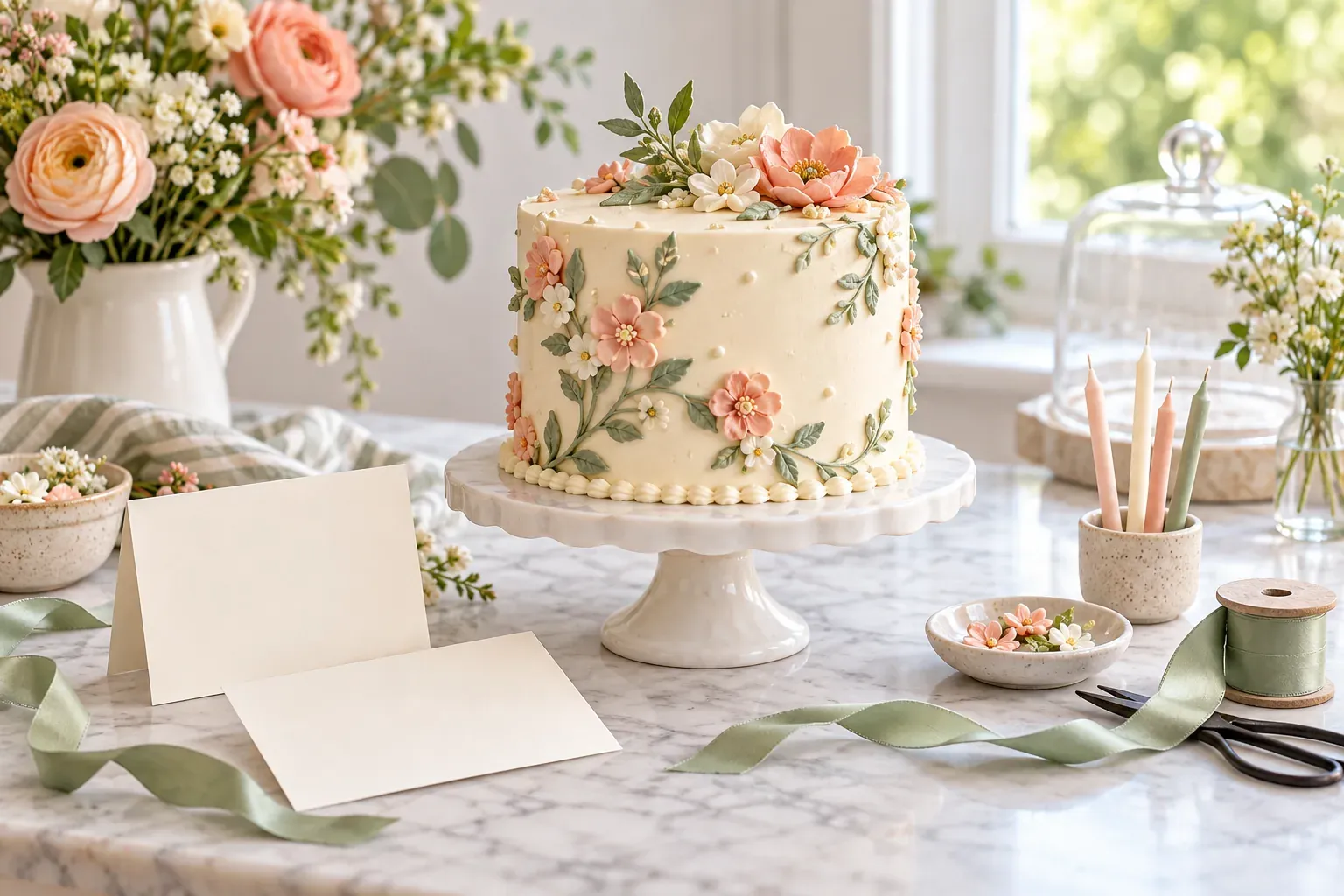
Last year's cake can help you recall a flavour, but it does not confirm a new order. Guest numbers, the venue and the design may change. A notification naming a child's birthday can also reveal information the client never expected you to reuse.
A cake maker needs two separate agreements: approval of the current cake and permission for a future contact. Below are an intake brief, a design approval message and a one-off planning reminder. Dates, references, amounts and terms in the examples are fictional.
Start with the date, portions and feasibility
Ask for the event date and the time the cake must reach the client. Check workload, decoration complexity and handover before promising availability. A catalogue item does not reserve a baker's production or delivery time. If the date does not fit, offer a feasible format or another date before discussing elaborate decoration.
Ask how the cake will be served, the expected portion size and whether other desserts are available. Use your tested recipe and cutting plan to select the size. Equal weights do not guarantee equal servings across recipes, shapes and heights; tiered or tall structures need a baker's feasibility check.
A useful first brief asks for:
- Occasion and timing: event date, required handover time and timezone; no compulsory child's name or age.
- Portions and budget: guest count, how the cake will be served and a budget range.
- Flavour and ingredients: filling preferences, ingredient and allergen questions, and what the kitchen can actually provide.
- Design: shape, colours, exact inscription and the reference elements to agree.
- Handover: collection or delivery address, recipient, packaging and an adult purchaser's contact.
Delight Baker's ordering guide similarly starts with portions and flavours before moving to design and a quotation. Its published lead times are that bakery's terms, not a universal rule or a BotMarketing guarantee. Use the separate home baker showcase guide to present your own formats and boundaries.
For standard goods, BotMarketing's cart checkout accepts a comment of up to 1,000 characters. A client can send the date, guest count and design questions there. It is not a separate required-field brief or an automatic serving calculator. Continue bespoke discussions in conversation and retain the approved specification and production calendar in your working process.
Approve the design and handover together
Before payment, send one proposal covering size, flavour, finish, exact wording, decoration, total, handover and payment and change terms. Provide accurate ingredients and allergen information for that product. A request in chat does not make a kitchen capable of meeting an allergen restriction.
For a UK bakery, Food Standards Agency guidance on GOV.UK explains allergen information before a distance purchase is completed and at delivery. Check the requirements in your market. State which decorations are not edible and who removes them before cutting; agree how a reference image will be interpreted without guaranteeing an exact copy or screen colour.
A fictional approval message for C-016:
Version 1: a round, single-tier cake, agreed size 8 inches, vanilla sponge and raspberry filling, buttercream finish and green lines shown in the approved sketch. Exact inscription: “Let's celebrate!”. No figures or non-edible topper. We selected this size for 16 guests using our cutting plan; it is not a universal serving count. Box and board included.
Collection on 18 December 2026, 1–1:30 p.m., bakery local time, at 8 Example Street. Total $120: cake $100 and agreed decoration $20. Advance $40, balance $80 before collection. We have sent the verified ingredients and allergen information separately for you to review before approving.
The quotation is available until 5 p.m. on 11 December. We confirm the date after version approval and verification of the advance payment. Please approve the design by 5 p.m. on 14 December. Later requests need a separate check and may change the price or be declined. Reply “Approved C-016, version 1”, or list your changes. Silence is not approval.
These amounts and deadlines are illustrative. Explain cancellation and postponement under your applicable terms and consumer rules, rather than treating every advance as non-refundable. A starting price in the catalogue is not a final bespoke quote; a comment does not automatically reprice a product. Record approval, payment verification and date confirmation separately. For later changes, use the custom baking change log workflow.
Check the cake before handover
Production must use the approved version. A BotMarketing internal order note can hold the reference and location of that brief. A New order does not mean an approved design, and a payment flag does not prove funds arrived. Record readiness in the working sheet and message the client; mark the order fulfilled after handover.
Check the inscription, size, decoration, packaging and recipient. Give transport and storage instructions suited to that cake, rather than one holding period for every recipe. For delivery and setup, agree access, a suitable location, timing and a responsible contact beforehand. A service message about the current order is separate from permission for future promotion.
Let the client choose one future planning reminder
Agree a contact date and a discreet message
After collection, offer to help the client plan ahead. Let them identify a future occasion; do not infer an annual birthday from an inscription or collect children's birth dates for bulk marketing. An adult purchaser's contact, selected message date and the scope of permission are enough for this reminder. Do not enrol them in yearly messages automatically.
A fictional invitation:
If you are planning a cake for next December, we can write once in this private chat on 27 November 2027 at 11 a.m., bakery local time, to leave time for a new enquiry. We do not need family names or birth dates. Would you like that date, or another one? We schedule nothing without your reply. To cancel, write “no reminder” and our team will remove the future contact.
Here the client chose an event on 18 December 2027; 27 November is 21 days earlier. That is an example planning interval, not guaranteed availability or a required production lead time. A discreet message could say: “You agreed to one cake-planning reminder. If you still need a cake, view the current catalogue and send your date, guest count and preferences. We will check availability and price again. If plans have changed, no reply is needed.”
BotMarketing can schedule a one-off Telegram message for a chosen date and chats linked to the bot. Check timezone, permissions and subscription features when configuring it. Select only the agreed private chat for this reminder. Purchase cohorts are neither marketing permission nor a calendar of family occasions.
Check permission before dispatch
Keep a short working record. This is a staff-maintained preference log, not a built-in subscription form or automatic processing of “no reminder”.
| Situation | Permission | Contact date | Staff action |
|---|---|---|---|
| Client selected one message | Dated reply retained | 27 November 2027, 11 a.m., bakery local time | Check permission and relevance before queuing the message |
| No reply to the invitation | None | Do not set one | Create no reminder and do not send a sequence of follow-up invitations |
| Original order used a group chat | Private contact not agreed | Do not set one | Do not reveal the occasion to the group; await a separate agreement |
| Client cancelled the reminder | Withdrawn | Remove the future contact | Update the log and review planned dispatches |
Check withdrawals before dispatch: pausing a schedule does not recall messages already queued. An existing reminder's audience cannot simply be replaced; a different recipient needs a new scenario after checking permission. Do not promise instant automatic unsubscribe processing when staff handle cancellation.
A repeat enquiry needs a fresh brief. Previous size, flavour and price are references to check again. If available features support a coupon, calculate its cost and explain the terms; it does not reserve a date. Start with one agreed contact and test silence and withdrawal before expanding the process.