Tour Guide Bookings: Routes, Meeting Points and BotMarketing
By BotMarketing.pro published updated
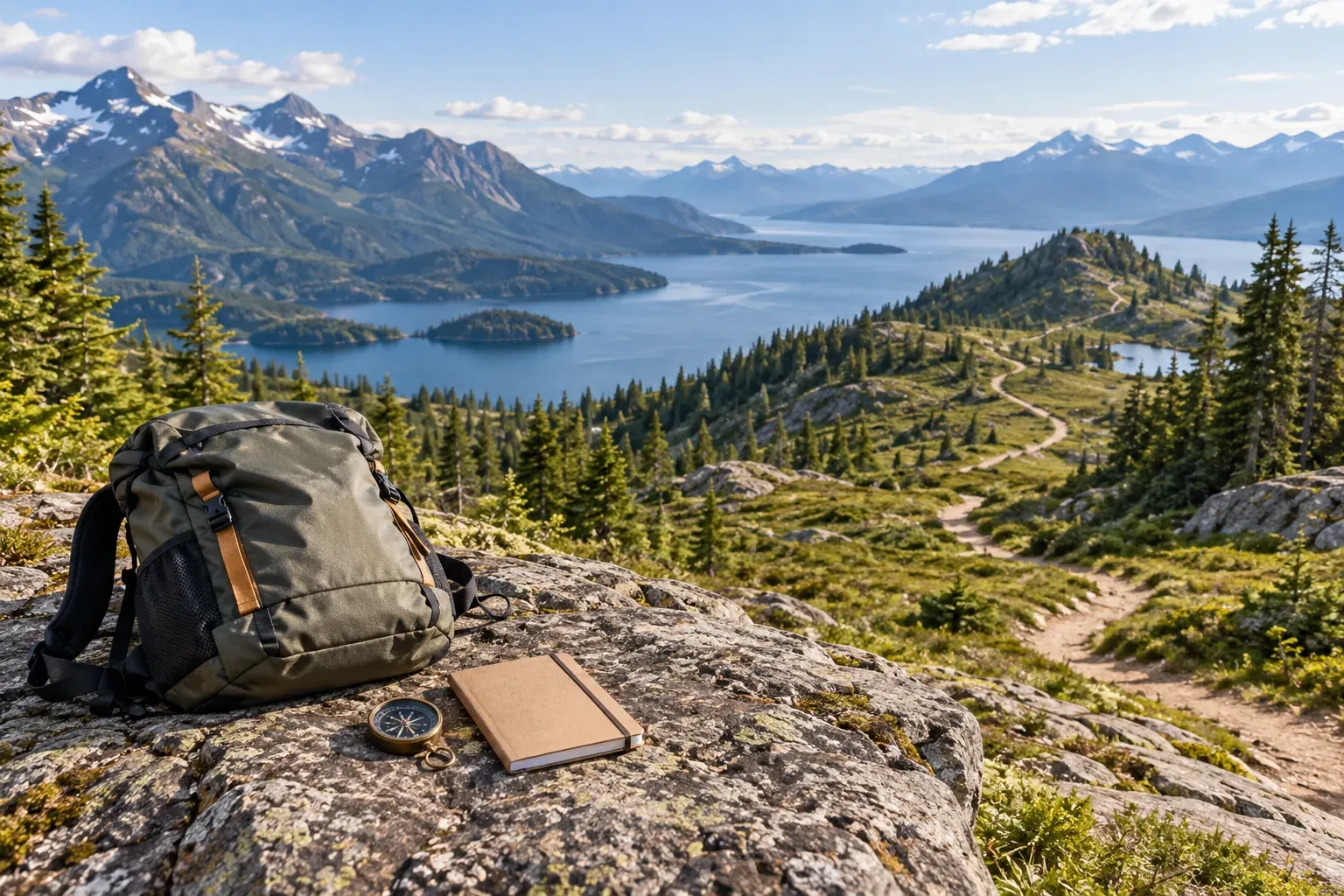
A request for “four people at ten” leaves a tour guide with several decisions: is the time free, does the route suit this party, and where will they meet? This guide shows how to set up private-tour reservations in BotMarketing and handle shared departures separately, with an excursion card and messages you can adapt.
Reserve a guide’s time or count seats on a departure
A private tour gives one party the guide’s whole time interval. A shared tour accepts several parties for the same departure. Treating both as identical slots can close a departure after its first guest or produce a group larger than the guide can take.
BotMarketing reservations occupy a schedule interval, including reservations awaiting confirmation. They do not sell eight independent seats within that interval. Guest numbers belong in the request comment and require your review. Use service reservations for private tours; take shared-tour enquiries through support and keep a separate participant list for each departure.
Define which details guests can choose and which are fixed. Sputnik8’s guest FAQ, for example, distinguishes private tours with arrangements agreed with a guide from shared tours with a set route and schedule. This distinction helps you write a clear offer; it does not give BotMarketing the marketplace’s ticketing or seat inventory.
An excursion card should help someone decide whether to join
Describe the actual walking distance, terrain, steps, duration, language, inclusions and meeting arrangements. A visitor needs these details before choosing a date. For access questions, explain the relevant parts of the route instead of claiming that every guest can take part.
A sample private-tour card
The route, dates, distances, prices and capacities below are fictional teaching examples. Replace them with checked details for your own excursion.
- Tour: “Lake View Trail”, a private walk for your party of up to four people.
- Route: 3 km over two hours, including an unpaved trail and steps to a viewpoint. Discuss pace and route suitability before confirmation.
- Price: $120 for the whole party, including the guide. Travel to the starting point and food are excluded.
- Language: English; any other language requires a separate agreement.
- Meeting: the information board at the trail entrance. The guide sends the exact address and map link with confirmation.
- Changes: the guide contacts guests if the route closes. Rescheduling and payment refunds follow the terms communicated before booking. A date request is not a confirmed tour.
Make “per party” and “per person” unmistakable. A shared walk needs its own card with the price per guest, advertised departures and a statement that the guide will confirm available places.
Set up private-tour bookings in BotMarketing
- Create the route as a service. Add its name, description, photograph, total private-party price and a duration of 120 minutes. Enable ordering for that service, connect your Telegram bot and enable bookings in the bot settings. A service uses duration; a stock figure of four is not a guest-capacity setting.
- Set the destination time zone and shared availability. If you guide all routes yourself, use one company schedule for those services. Separate item schedules check their own reservations and can allow overlapping tours. For a two-hour walk, opening windows of 10:00–12:00 and 14:00–16:00 leave appropriate starts and a gap between walks. Allow for travel and preparation yourself; the system does not add a travel buffer.
- Send guests the Mini App link. They select a service and available time, then put party size and language in the comment: “26 October, four adults, English.” This creates an order and a requested reservation. In the bot ordering path, time selection is offered through the related booking flow. Tell guests that you still need to review and confirm their request.
- Review and confirm. Open the reservation in the bookings section and check party details, meeting arrangements, route access and commitments held elsewhere. Confirm the reservation when it works: its status changes and a bot notification is sent to the guest. Keep the agreed details in the linked order’s internal note; send the exact meeting instructions through that order’s conversation.
- Handle changes against the same booking. Agree a new date and check availability before rescheduling. If the walk is cancelled, cancel the reservation and explain any payment action separately. Cancelling the time does not issue a refund. After the tour, mark the linked order fulfilled: its active reservation becomes completed too.
Try the guest journey before sharing the link: card → time → comment → request → confirmation and meeting message. Check that an occupied interval also disappears for other routes using the same schedule. Enquiries taken by phone, bookings on other platforms and route closures still need manual attention.
Take shared-departure enquiries through support
Disable ordinary ordering on the shared-tour card. Ask guests to contact bot support with the departure date and time, numbers of adults and children, language and one lead contact. Their enquiry appears in BotMarketing’s customer requests, where you can clarify the details and reply. Count confirmed participants in a separate list for each departure.
Your reply should state accepted places, total price and payment arrangements. A support enquiry is not a paid reservation, and there is no automatic waiting list. If guiding a shared departure makes you unavailable for private tours that day, close the date using a schedule exception. This manages your time manually; it does not turn a reservation slot into seat inventory.
The same distinction between an instructor’s time and class places is explained in our guide to group and private class bookings.
Send a confirmation that gets the guest to the meeting point
A reservation status confirms the time. The accompanying instructions need the local date and time, party size, landmark, price, an effective way to contact you if delayed, and any agreed changes. Add a real map link and contact details before sending. Travellers may still have their phone set to their home time zone, so identify the destination time zone explicitly.
Your private Lake View Trail walk is confirmed for 26 October at 10:00, local time at the destination. Four adults, English, two hours. Meet at the information board at the trail entrance; I am sending the exact map pin separately. The price is $120 for your party; transport and food are excluded. If you are delayed or cannot find the entrance, message me here before the start. Please tell me if your party changes.
Replace “local time at the destination” with the actual place and time-zone name in your message. You can send a short meeting reminder manually in the order conversation the day before. A booking status does not check the forecast or the condition of the trail.
Three guests ask for the last two places
In this fictional shared departure, capacity is eight and six guests are confirmed. Two places remain; a three-person party cannot be accepted in full. Offer a choice before changing the participant list.
There are two places left for 26 October at 10:00, and your enquiry is for three guests. I can confirm two if that works for your party, or check another departure for all three. Your party is not confirmed yet. Which option would you like me to check?
The message itself does not hold those two places. If you agree to hold them until a particular time, record the deadline in your manual list and check for the reply yourself.
Cancel the old meeting clearly when the route closes
Decisions depend on the particular route and current access conditions. Avoid a universal rain or temperature rule. Milanoguida’s FAQ explains its own weather policy and notification for cancelled outdoor tours; your route needs its own checked arrangements.
When cancelling, change the reservation status, close the unavailable date in the schedule and send a clear message. For a shared departure, contact every lead guest in your participant list. A proposed replacement becomes an agreement only after the guest replies and you check availability.
The walk on 26 October at 10:00 is cancelled because the route is closed. Please do not come to the original meeting point. I can check a move to 27 October at 10:00; I will not confirm that date without your reply. If it does not suit you, I will explain the refund process and timing under the terms of your paid booking. Please tell me which option you prefer.
Record the chosen option and the actual payment action in the order. A trip involving transport, accommodation and several suppliers needs a broader process, covered in our article on handling tour-operator enquiries.